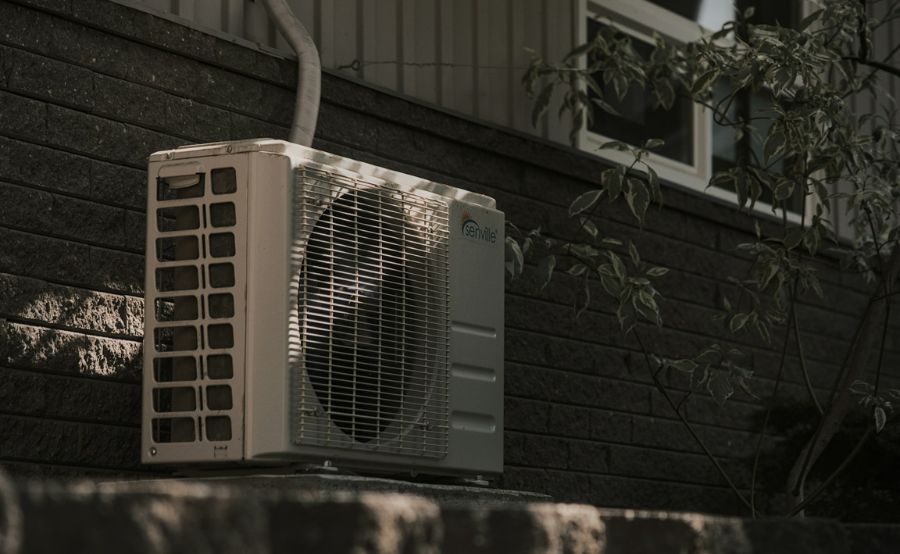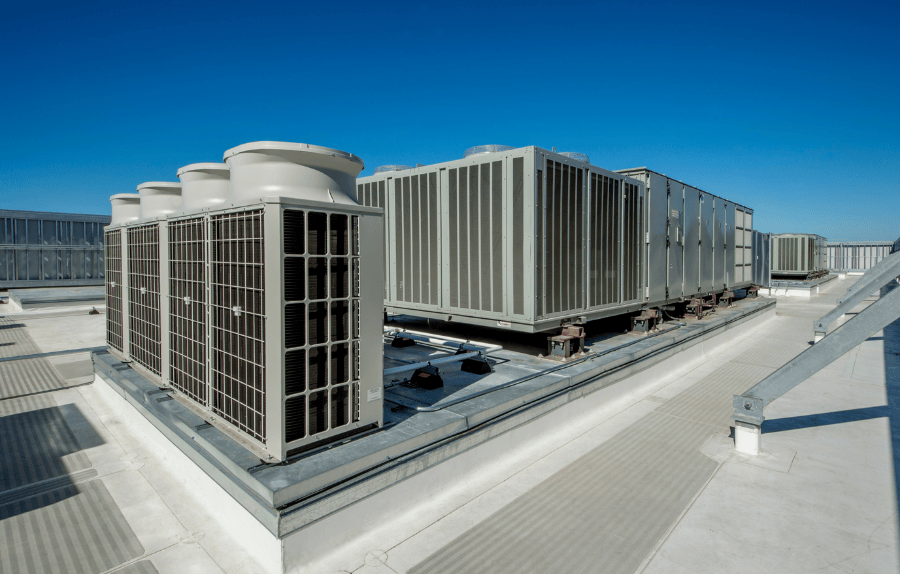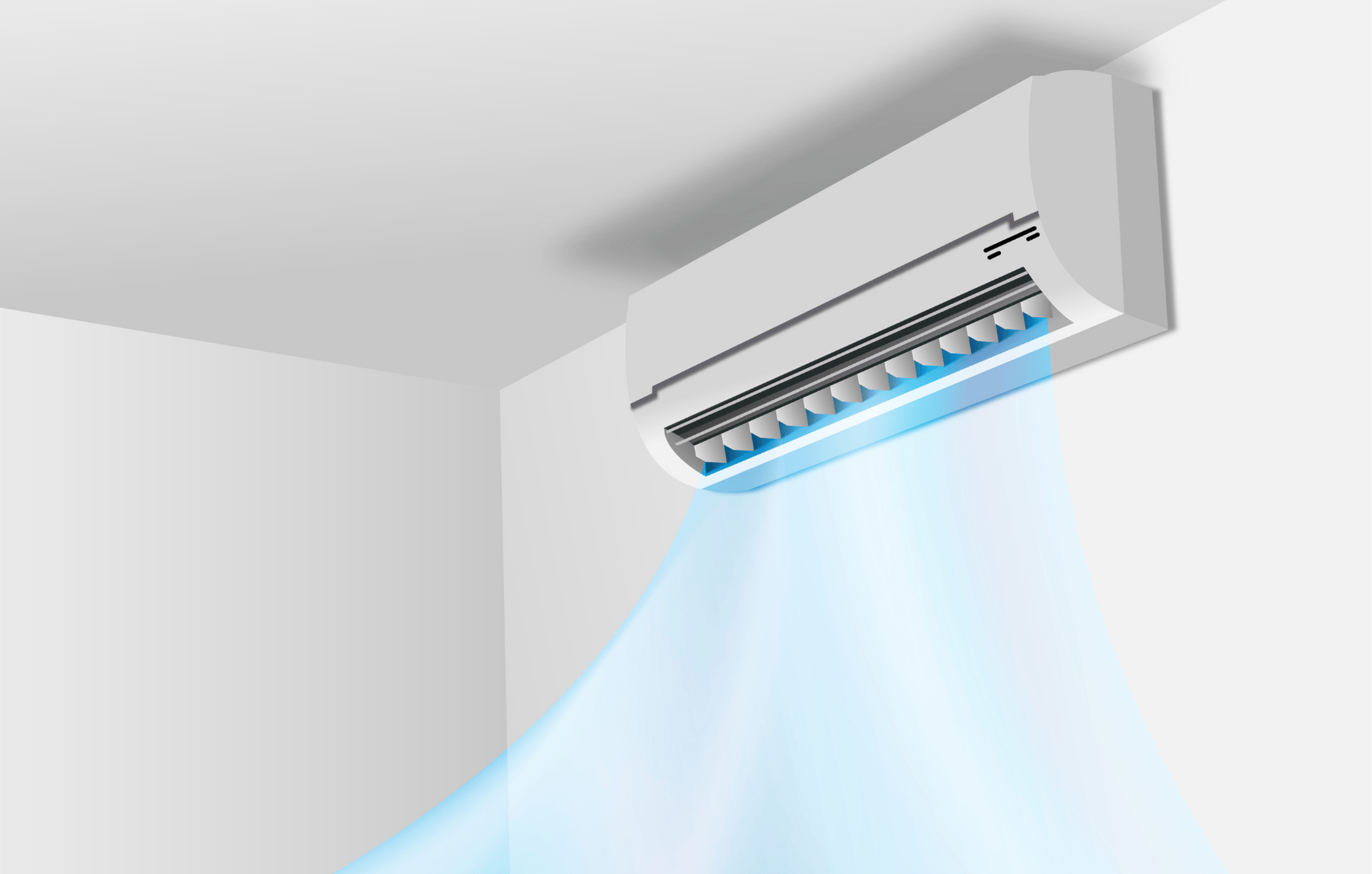
Heating and cooling homes is a major part of energy consumption worldwide, but Americans use a significant amount more than many other countries. In the U.S., over half of household energy is spent on heating and air conditioning. This is largely due to the country’s diverse climate zones, with extreme cold in the north and intense heat in the south.
Globally, heating and cooling account for about 25% of total energy consumption. However, many countries use far less energy for climate control. For example, European nations tend to have better insulation and more efficient heating systems, reducing their overall energy use. Meanwhile, developing countries often rely on natural ventilation and passive cooling techniques, using far less energy than the U.S.
One staggering statistic highlights America’s cooling energy use: The U.S. consumes more energy just for air conditioning than the entire continent of Africa uses for all energy needs combined. This is largely due to the widespread use of air conditioning, with the U.S. home to 40% of all air conditioners worldwide. As climate change leads to hotter summers, air conditioning use is expected to rise, further increasing energy demand.
To reduce energy consumption, Americans can adopt better insulation, energy-efficient HVAC systems, and passive cooling techniques in northern states. These strategies not only lower costs but also help reduce carbon emissions, making homes more sustainable.

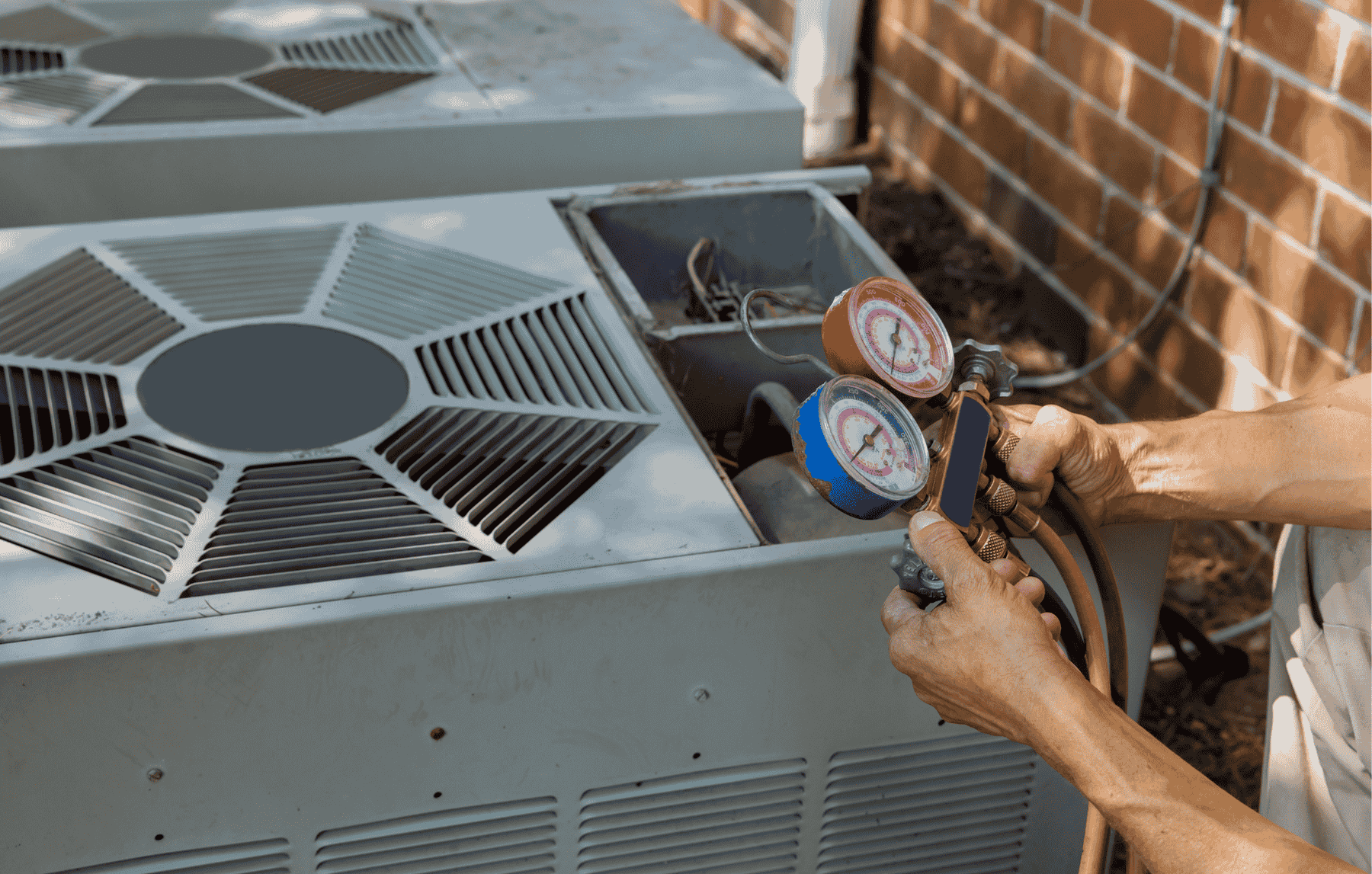
When your home’s air conditioning system is running smoothly, it’s easy to forget the complex mechanics behind its operation. But when a